
Updated June 2026
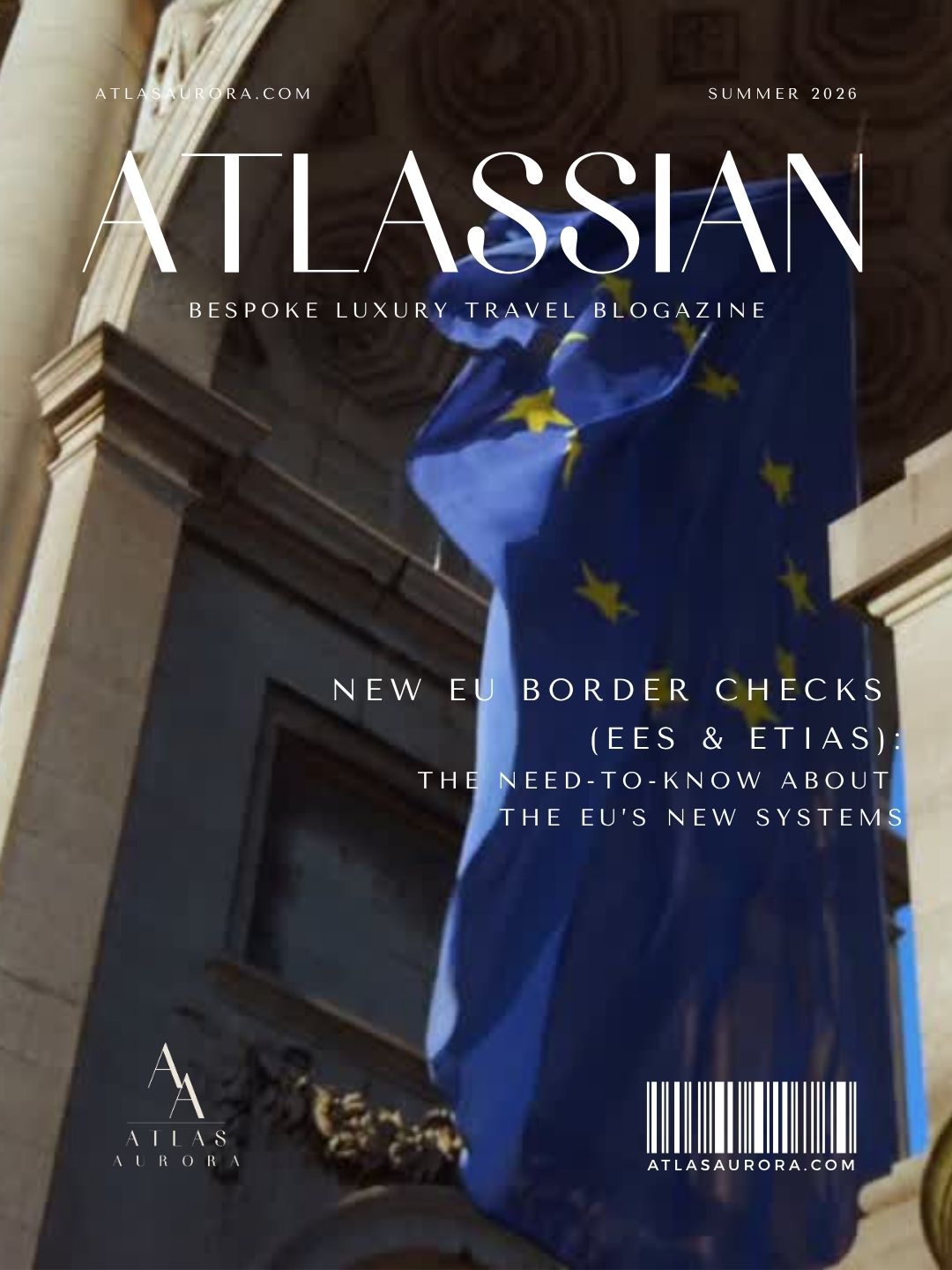
If you are planning a trip to Europe, two new border systems are changing what happens when you arrive. The first, EES, is already live. The second, ETIAS, is coming later this year. Neither is cause for alarm, but both are worth understanding before you go.
What Is EES?
EES stands for Entry/Exit System. It is an EU-wide border management system that replaces the familiar passport stamp with a digital biometric record. Every time a non-EU traveler enters or exits the Schengen Area, the system logs the crossing automatically.
EES applies to visa-exempt travelers from the US, Canada, the UK, Australia, Japan, and dozens of other countries. It is now fully operational across the Schengen Area.
How EES Works at the Border
There is nothing to do before you travel. No pre-registration, no application, no fee. The process happens at the border when you arrive.
On your first entry under EES, you will scan your passport at a kiosk or staffed desk, provide a facial image and four fingerprints, and answer brief entry questions. Children under 12 are not fingerprinted, though facial imaging still applies. Refusing biometric collection will likely result in denial of entry.
Once your biometrics are on file, future entries require only a quick facial scan and move considerably faster. The friction is concentrated at that first registration crossing.
For the latest official information, visit the EU Entry/Exit System page.
What EES Means for the Schengen 90/180-Day Rule
The 90-day within 180-day limit on stays in the Schengen Area is unchanged. What has changed is how it is enforced. EES tracks entries and exits digitally, which means overstays are flagged automatically rather than caught only when a border officer notices the stamps. The system provides a more accurate and consistent record of time spent within the Schengen Area.
If you are not familiar with how the 90/180-day rule works, it is worth understanding before your trip. A full explanation is here.
What’s Coming Next: ETIAS
ETIAS, the European Travel Information and Authorization System, is a separate pre-travel authorization expected to launch in the last quarter of 2026. It is not yet open for applications. There is nothing to do right now.
Unlike EES, ETIAS requires action before you travel. You will need to apply online and receive approval before boarding a flight to Europe, similar to the US ESTA or UK ETA systems.
The application fee is €20 for travelers aged 18 to 70. Those under 18 or over 70 are exempt from the fee but are still required to apply. Approvals are typically processed within minutes, though some applications require additional review. Authorization is valid for three years or until your passport expires, whichever comes first.
When ETIAS launches, travelers should apply well before departure. For more information, visit the official ETIAS website.
Current Conditions: Summer 2026
Summer 2026 is the first peak travel season under the fully operational EES, and conditions at major airports are uneven. Paris Charles de Gaulle, Lisbon, Barcelona, and Athens have reported wait times of two to four hours for first-time registrants at peak periods. Some airports are managing better than others as kiosks are added and staffing adjusts.
A few countries have introduced temporary flexibility. Greece suspended biometric checks during peak periods; Portugal and Italy have continued full implementation. Your experience will depend on which country you are entering and what time you arrive.
Two things worth knowing for this season. First, build generous connection time into any itinerary where you are entering the Schengen Area for the first time on that trip. Second, if EES queues cause you to miss a connecting flight, airline compensation under EU regulation EC 261 is unlikely to apply. Border control delays are a government procedure rather than an airline failure, and the rules reflect that distinction.
This section will be updated as conditions evolve.
What I’m Telling My Clients
For most of my clients, EES changes very little about how they travel. The biggest adjustment is simply allowing extra time at the first point of entry into the Schengen Area while the system continues to mature.
Ensure your passport is valid and in good condition before departure. Keep a clear itinerary if you are managing your days against the 90/180-day rule. If you are traveling this summer and entering the Schengen Area for the first time on your trip, build extra time into your arrival, particularly at major hubs during peak hours.
The underlying reality here is straightforward. EES and ETIAS are modernization measures, not obstacles. The transition period involves some friction. The long-term result is a faster, more consistent border experience for everyone.
Airport Assistance Services
For travelers arriving through particularly busy European gateways, expedited airport assistance services may be worth considering. These services typically include a personal greeter and assistance navigating arrival formalities, which can make the process considerably smoother during busy travel periods. If you would like to explore whether this service is available for your arrival airport, I am happy to arrange it as part of your travel planning.
Information is accurate as of June 2026. Check official EU resources and current airport advisories before departure, as conditions are changing regularly.
Get in touch to plan your European trip with Atlas Aurora.
