

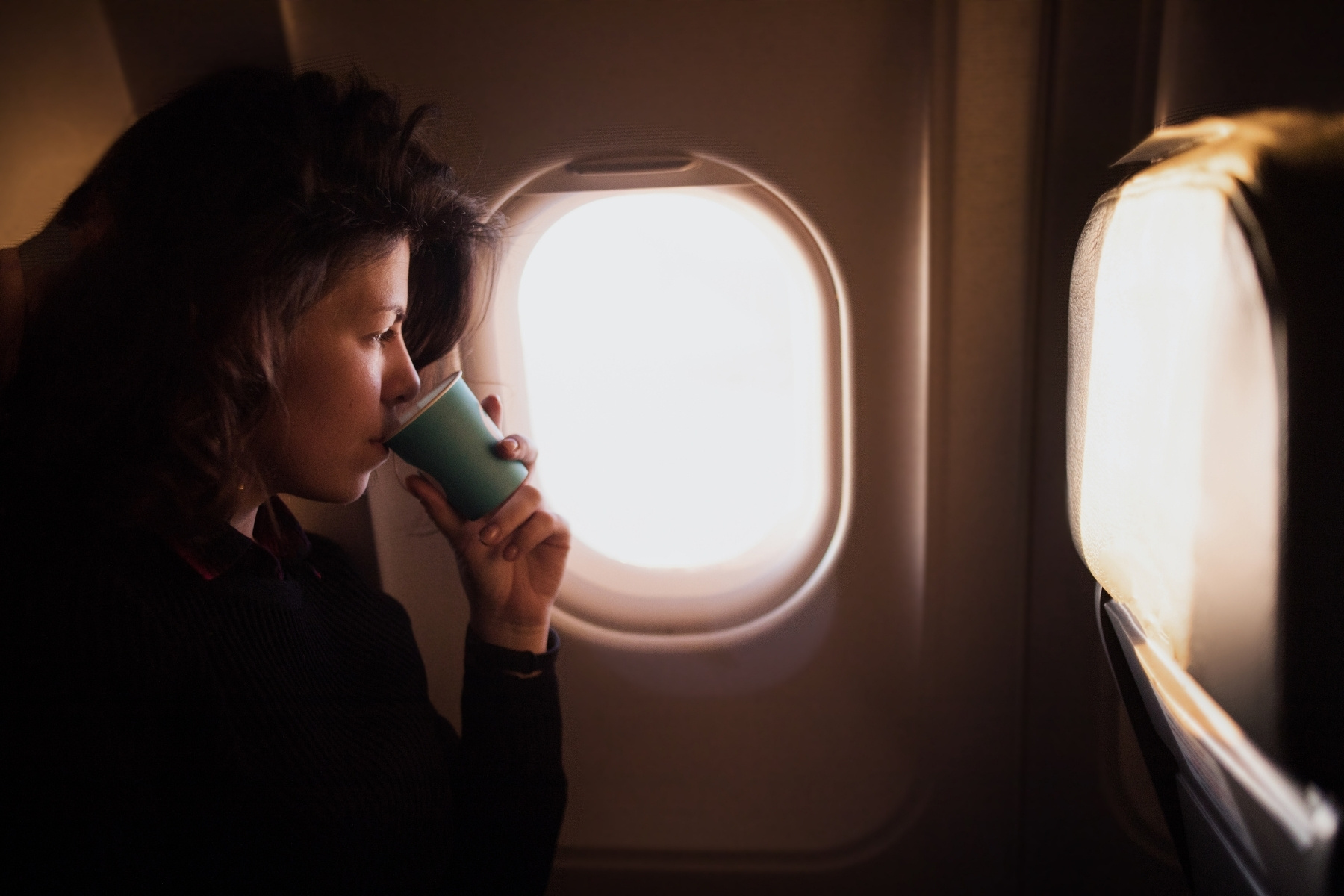
Why Air Travel Dehydrates You (and How to Stay Hydrated)
One of my main non-negotiables for air travel (well, life in general, really) is hydration.
I’m not talking about casual, sometimes-sips-of-water. I’m talking about the unhinged consumption of quantities of water that, in a typical environment, may lead to drowning (I’m kidding. Mostly).
In all seriousness, air travel is aggressively drying. Aircraft cabins have extremely low humidity, which means you’re losing moisture through your skin and respiratory tract for hours. And since breathing is… kind of essential, you need to replace that moisture. Repeatedly.
If you can start increasing your water intake at least one day before you travel, not just once you’re seated, extra points. You won’t be starting the race ten paces behind.
Why You Feel Weird After Flying
Commercial aircraft cabins are extremely dry. Many travelers don’t realize that airplane cabin humidity is significantly lower than normal indoor environments, which is why dehydration during air travel happens so quickly.
At cruising altitude, cabin humidity typically sits around 10–20%. Most homes on the ground are closer to 40–50%. That’s a big difference.
Here’s what’s happening:
- Cabin air is constantly circulated and pressurized
- That air holds very little moisture at altitude
- You lose water every time you breathe
- You’re often drinking less than usual (or swapping water for coffee, wine, or both) and not eating or drinking at normal intervals.
You don’t notice it immediately, but over a few hours in these conditions, dehydration builds quickly.
How dehydration actually shows up on a plane
Most people don’t think, “I’m dehydrated.”
They think, “Why do I feel awful?”
Common signs of dehydration during and after flying include:
- Dry, tight, and/or dull skin
- Chapped lips
- Dry nose
- Scratchy throat or dry cough
- Sinus pressure or headaches
- Fatigue or brain fog
- Dizziness when standing
- Worsened jet lag symptoms
- Puffy eyes
- Constipation (unflattering, but very real)
- Swollen feet and hands
If that sounds familiar, you’re not imagining it. You’re likely starting your trip already under-hydrated.
Dehydration also slows recovery once you land, making jet lag feel worse and first days of travel feel heavier than they need to be.
Why Booze and Caffeine Punch Harder in the Air
Alcohol is a diuretic, and caffeine has mild diuretic effects. On the ground, that’s manageable.
That’s why:
- Coffee leaves you wired and tired
- Your skin looks rough when you land
- You wake up parched in your hotel room at 3 a.m.
Alcohol can contribute to dehydration, and caffeine can have a mild diuretic effect, particularly in larger amounts. Neither is particularly helpful when you’re already spending hours in an extremely dry environment.
Alcohol can also interfere with sleep quality, another thing you don’t need working against you on a long-haul flight.
You don’t need to skip the fun stuff. You just need to balance it with water.
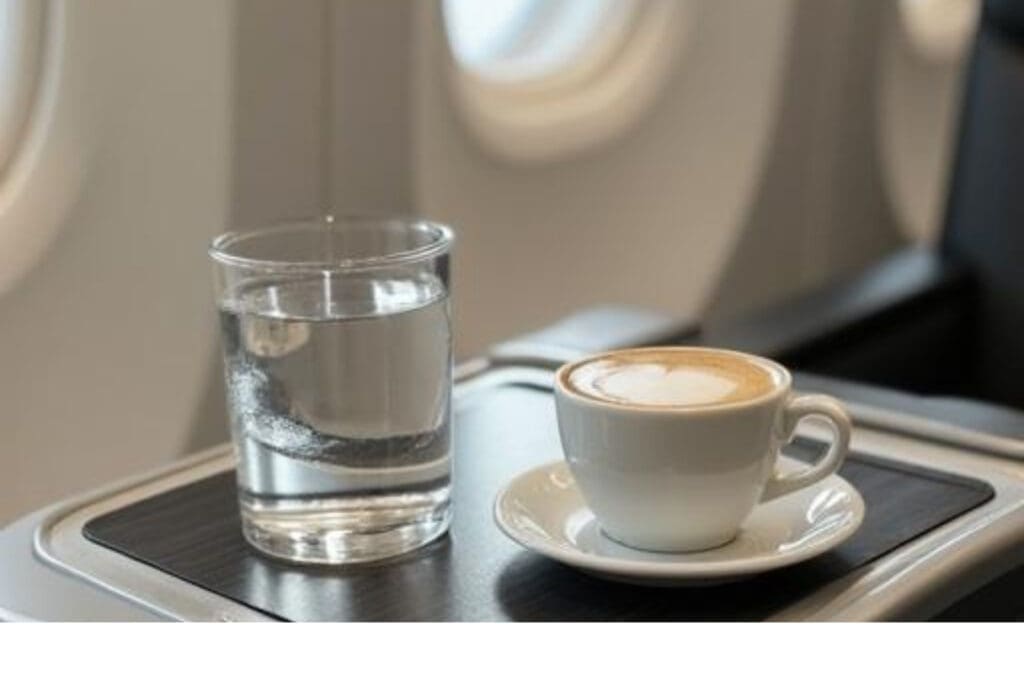
The Fix Is Boring (but It Works)
Drink water early and often, before you feel thirsty.
Set a consumption goal to keep yourself honest.
That’s it.
My Consumption Goal
I travel with a 1-liter water bottle or pouch. Always.
I make sure it’s full before I board the plane. Depending on flight length, I aim to drink at least one, and ideally two to three full liters before landing. (Obviously, hydration needs vary enormously based on the person, flight length, food, activity, medical conditions, etc., but this works for me.)
On long-haul flights, aircraft often have water stations in the galleys. If not, cabin crew regularly pass out bottles of water, which you can use to refill your own bottle and track your intake. You can also always ask for extra water. They are not going to deny you hydration.
Seriously. This is one of the biggest lessons I’ve learned in all my years of travel. Just try to drown yourself for the entire time you’re in transit and you’re far less likely to arrive feeling like you were dragged behind the plane by your hair the whole way to your destination. Simple.
Get a Ride-or-Die Water Bottle
If you have an on-brand-for-you bottle that you automatically throw into your carry-on every time you travel, you completely remove the stress of scrambling for a $17 plastic bottle of water once you’re airside.
I’ve really been through it with water bottles. We won’t get into it here.
I’ve learned to look for these traits in a good water bottle:
- Big, but not so big that I’ve become one of those giant water bottle people
- Tall and slim, so it stands upright without taking up space
- Small footprint, easy grip (roughly a 3-inch diameter is ideal)
- Zero leaking, ever
- Screw-on cap (non-negotiable — flip-tops and straws become projectiles with cabin pressure changes, and I don’t want mouthpieces exposed in airports)
- Easy to clean and fast drying (most bottles come with a bottle cleaner these days. If not, you can easily get great ones online.)
- Stainless steel (or glass), always (unless it’s a BPA-free pouch for weight purposes)
We do not do plastic bottles. Say it again.
I strongly prefer stainless steel. It’s durable, doesn’t retain flavors the way some bottles can, is easy to clean, and endlessly reusable. And if you ever repurpose it for wine lemonade at the beach, it washes out perfectly.
A bottle that rolls around at the bottom of my bag and leaks is a hard no. I don’t want to excavate my passport from a puddle at customs or discover my laptop has absorbed half a pint of condensation. There are too many horrors in the world. Leave this out.
If You Need Something Super Lightweight
When weight and space really matter and a full water bottle isn’t practical, I switch to this collapsible water pouch. The one I use:
- Holds 1-liter
- Stands upright when full
- Clips onto a bag
- Collapses down when empty
- Never leaks
These are excellent for long touring days, hikes, or travel days where every inch and ounce count.
Forgot Your Bottle? (Shame.) There Is a Plan B.
If you forget your bottle, buy a 1-liter bottle of water after security.
I avoid disposable plastic whenever possible, but this is one of the rare exceptions. If I’m forced to buy a plastic bottle, I’ll reuse it for the entire trip, including the flight home, rather than buying multiple smaller ones.
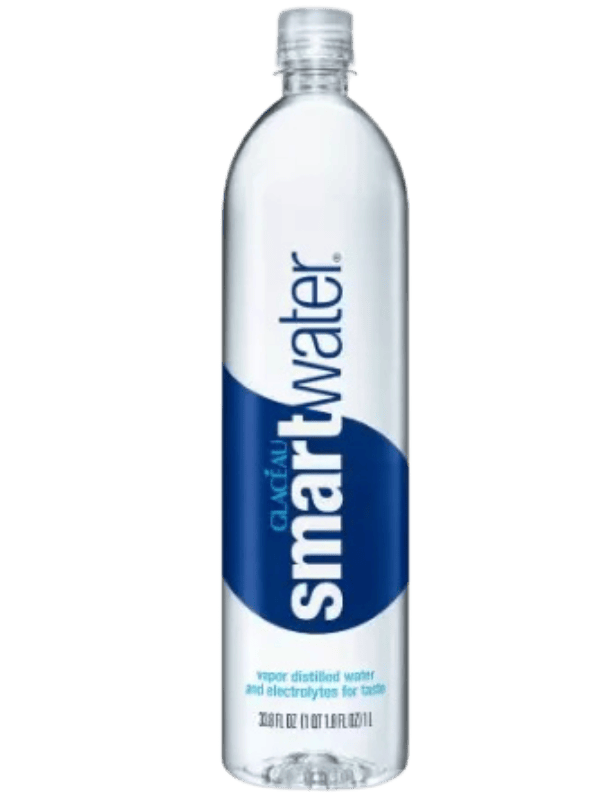
Look for tall, slim 1-liter bottles that stand upright easily. Avoid squat, wide bottles.
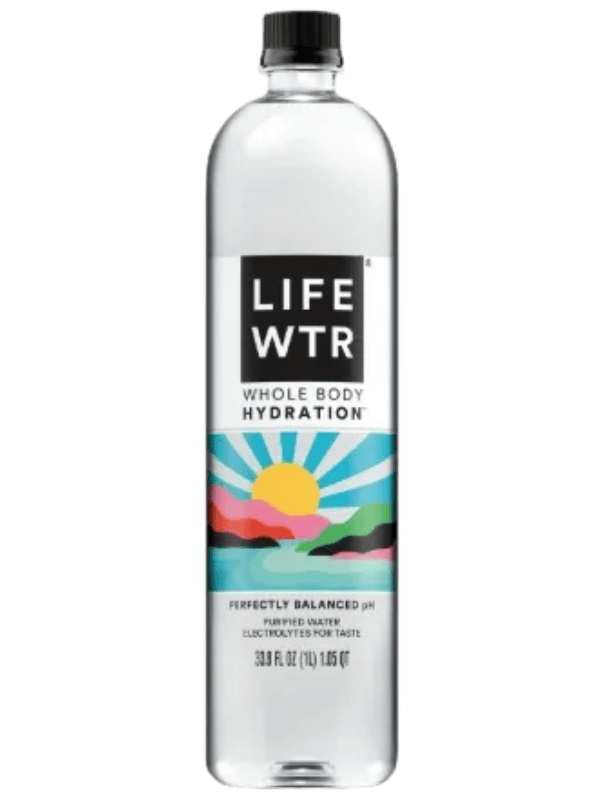
Smartwater and LIFEWTR usually have the right shape. I will scour an entire airport for one if necessary. This is serious.
Another Hot Tip That Should Be Obvious (But Somehow Isn’t)
Any time a flight attendant offers water, take it.
Always.
Sometimes it’s a tiny cup. Sometimes it’s a bottle. Sometimes it’s a generous pour. Take it. Drink it immediately, refill your bottle, or stash it for later.
It will absolutely come in handy when you go for a sip and realize your bottle is empty, or when you wake up at 3 a.m. feeling like a human raisin.
Just take the water.
I Know What You’re Thinking
I don’t want to have to get up to pee every 20 minutes.
Maybe you will. And frankly, that’s not the worst thing.
Getting up periodically gives you an excuse to move, which is important on long flights. Prolonged sitting can slow blood flow in the legs, and the CDC recommends periodically walking and moving your legs during long-distance travel.
So yes, you may visit the lavatory more often. Consider it forced circulation maintenance.
Frequent bathroom breaks mean more movement, which supports circulation and helps reduce swelling in the legs, feet, and hands during long flights. That regular movement, combined with proper hydration, helps maintain healthy blood flow and keeps your body functioning more comfortably at altitude, making travel easier on your system overall.
Yes, You Can Still Enjoy In-Flight Drinks
Just be chill about it.
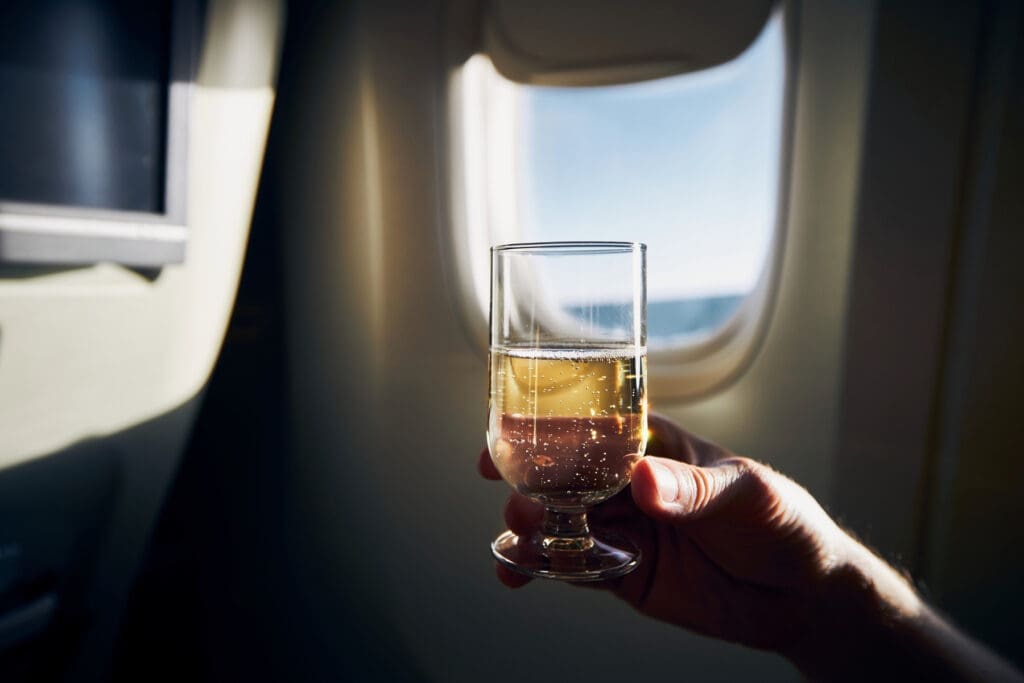
I love in-flight coffee and I love a pre-arrival cocktail. It makes the trip feel like it’s already started. But moderation matters.
Stick to:
- One alcoholic drink (two max)
- One coffee (two max)
Alcohol and caffeine are both diuretics, and combined with cabin dehydration, they’ll take a noticeable toll on your skin and how you feel when you land.
And for the record: you don’t actually get drunk faster on planes. That myth comes from outdated research that didn’t account for cabin pressure. The dehydration is the real culprit.
Two Additional Flight Hydration Tips I Swear By
1. Aquaphor in your nostrils (stay with me)
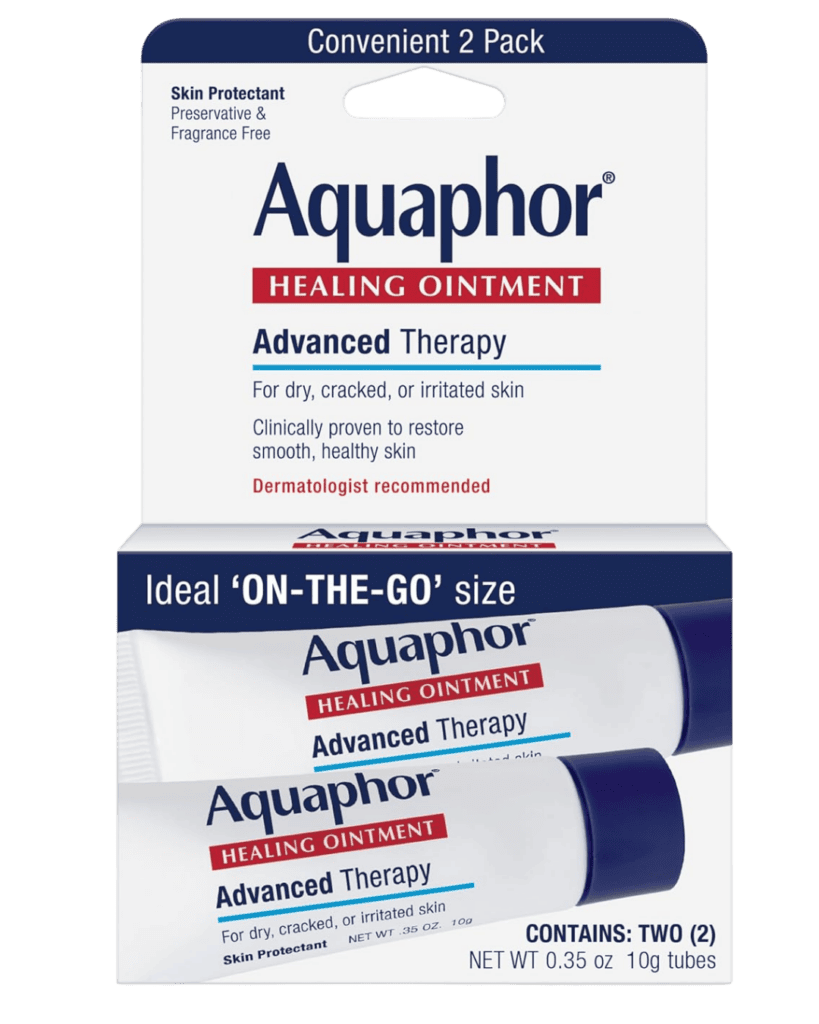
Use a q-tip to apply a tiny amount of Aquaphor just inside your nostrils before takeoff. It keeps nasal membranes from drying out and prevents that painful sinus irritation.
Don’t use your finger. You’re in public. Germs exist.
I keep a travel tube of Aquaphor with a few q-tips rubber banded to it in my carry-on kit. I also use it for lips, dry hands, cuticles, and irritated skin. It’s an all-around hydration travel essential. Get some.
2. Electrolytes that aren’t sugar bombs
If you struggle with plain water or you’re sweating a lot (long travel days, hot climates, enthusiastic sightseeing), add a clean electrolyte packet to your bottle once a day.
Look for ones that are sugar-free, low-calorie, and don’t taste like sadness. I recognize that this is a difficult ask. But don’t worry- I’ve got you.
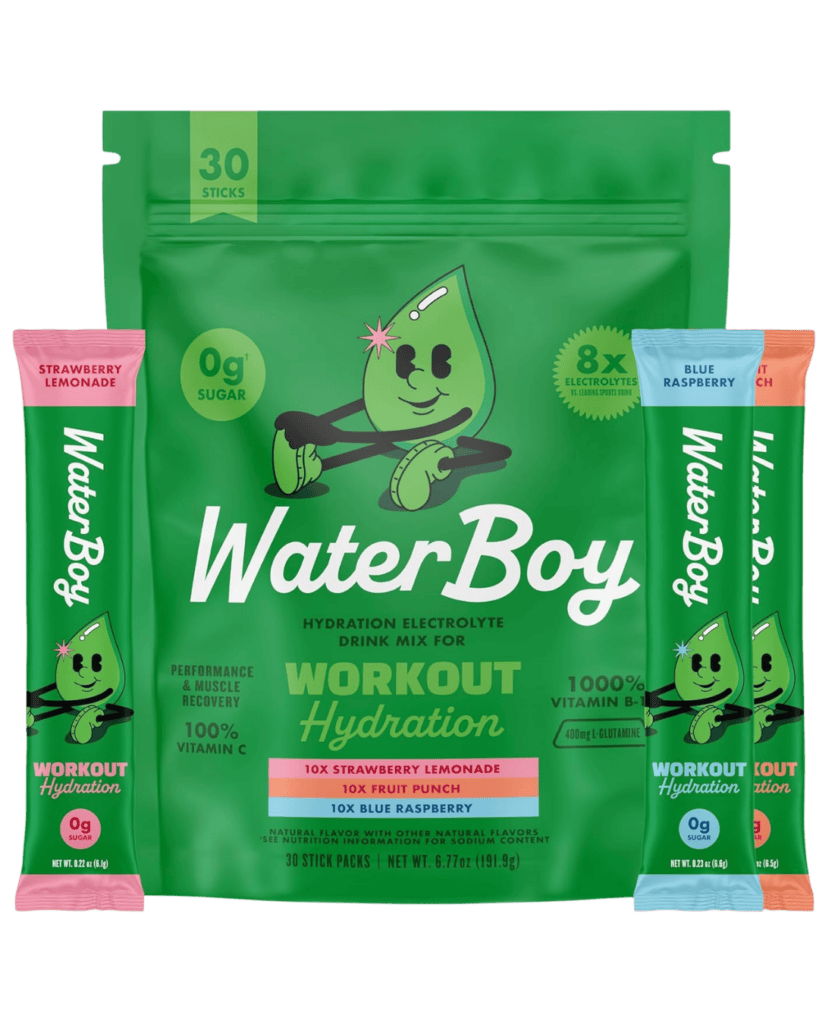
I found these Waterboy hydration packs after two consecutive summers of nearly perishing under the Italian sun and needing something that actually helped my body recover from long days of walking, sweating, and drinking.
They’re lightweight, effective, guilt-free and easy to toss in your bag. 10/10 recommend.
Travel is hard enough. You don’t need dehydration working against you, too. For more of the habits I rely on during long travel days, read my practical wellness guide for flying.
My Flight Wellness Essentials
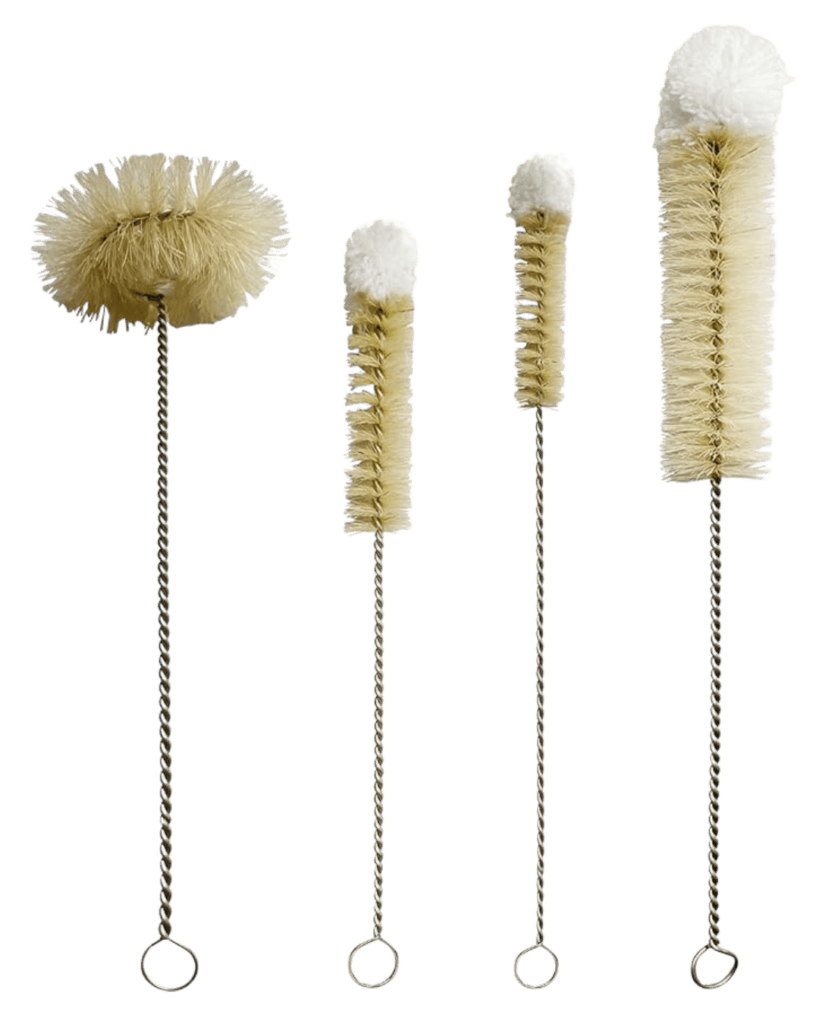
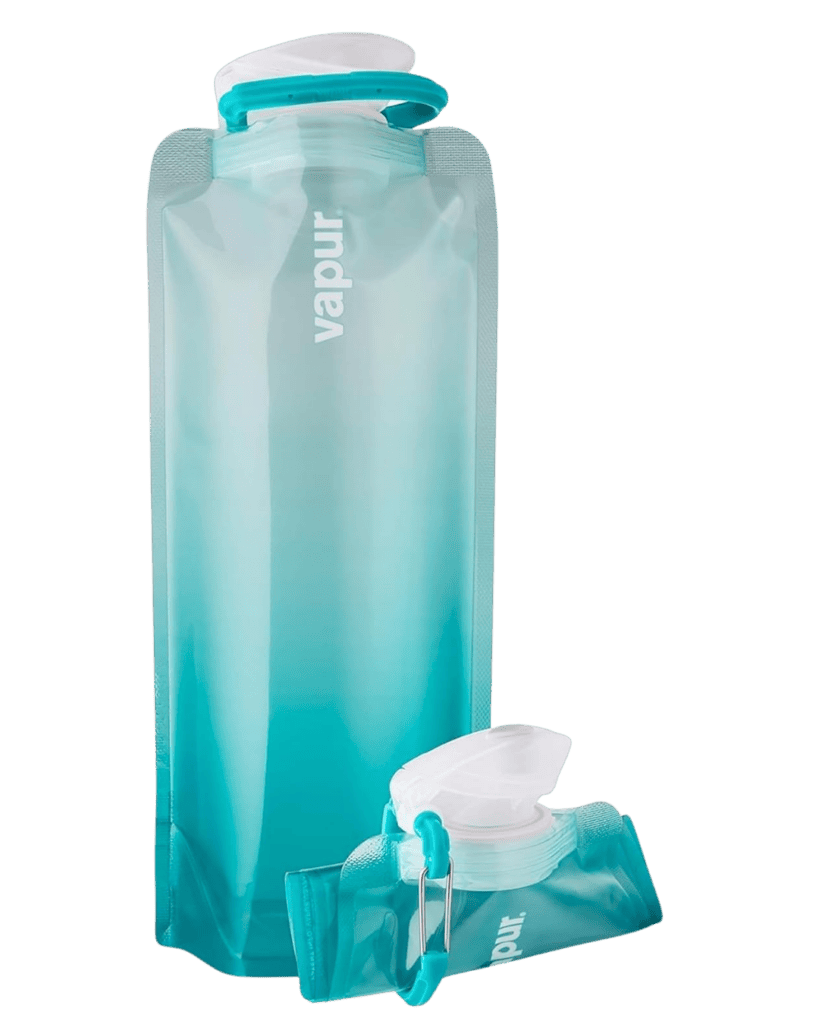
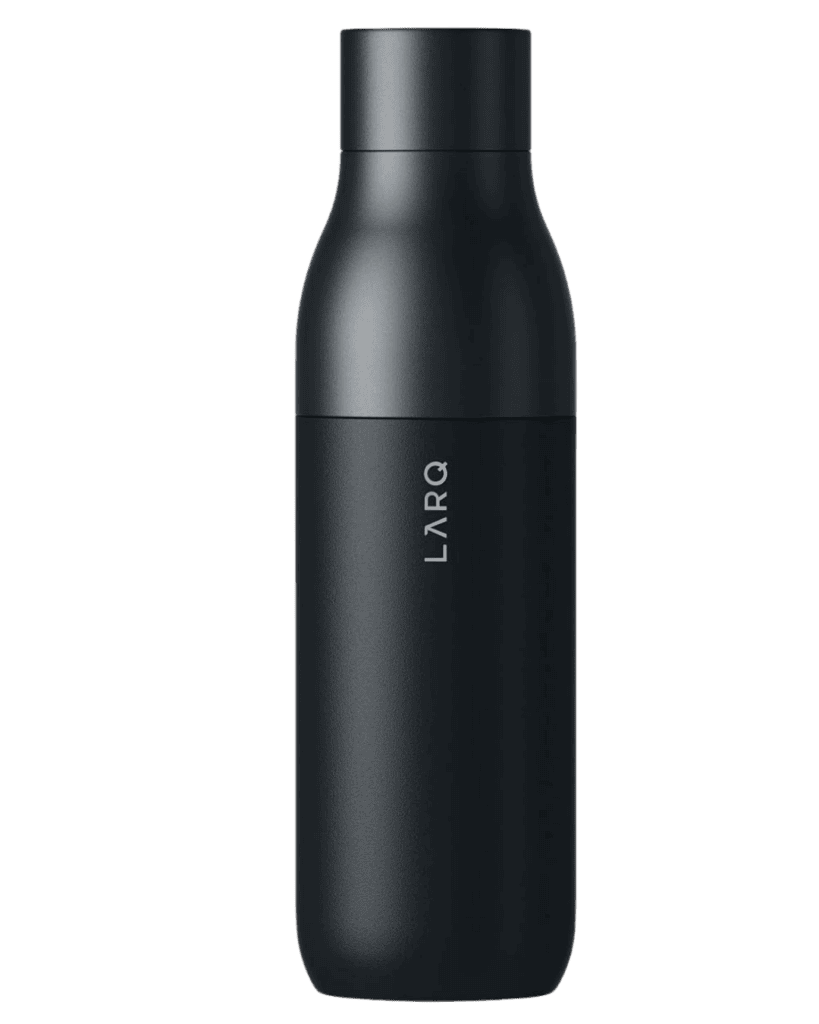
These are the products I personally use and recommend for long travel days. As an Amazon Associate I earn from qualifying purchases at no extra cost to you.


